
Fire Resistant Barndominium Arizona: Your Safe Haven Awaits
November 10, 2025
Custom Engineered Steel Barndominium: Your Dream Home Awaits
November 11, 2025
Durable steel construction is a pivotal element in modern architecture and infrastructure, embodying strength and resilience in the buildings we inhabit. Through its robust properties, durable steel serves as a reliable foundation for structures designed to withstand the test of time and environmental challenges. As urban populations continue to grow, the need for dependable building materials becomes increasingly critical; thus, durable steel construction fulfills this necessity with both efficacy and style.
Since its inception during the Industrial Revolution, steel has undergone significant advancements that have transformed its application in construction. Initially heralded for its strength relative to weight, steel quickly became an essential material in various architectural endeavors.
Today, it is recognized not only for its structural integrity but also for its role in creating sustainable and high-performance buildings. The evolution of steel construction reflects a growing recognition of the material’s potential to contribute positively to society by fostering safer and more enduring infrastructures.
The contemporary push towards resilient structures elevates durable steel construction from mere functionality to an integral part of forward-thinking design practices. With architectural trends leaning toward sustainability, builders are prioritizing materials that minimize environmental impact while maximizing lifespan.
This shift highlights the significance of durable steel not only as a standout choice for durability but also as an environmentally responsible option that aligns with modern standards of sustainability in construction practices. By embracing such innovations, architects and engineers can build stronger futures that benefit communities at large.
Key Benefits of Durable Steel Construction
Unmatched Strength and Longevity
Durable steel construction offers a remarkable combination of strength and longevity that is difficult to match. Steel’s inherent properties ensure that structures can withstand heavy loads, high winds, and even seismic activities without compromising integrity.
This robustness is especially crucial in regions prone to extreme weather conditions or natural disasters. By utilizing durable steel construction, architects and builders can design buildings that offer not only enhanced structural integrity but also extend their lifespan considerably compared to traditional materials such as wood or concrete.
Moreover, the longevity of steel structures results in fewer repairs and replacements over time. This aspect translates into significant cost savings for property owners who often face substantial expenses associated with maintaining less durable materials. The reduced need for continuous upkeep allows property managers to allocate their resources more efficiently, making durable steel construction an economically sound choice in the long run.
Resistance to Environmental Factors
Another critical advantage of durable steel construction is its resistance to environmental factors such as moisture, pests, and fire. Steel does not rot like wood and is impervious to termite damage, which significantly diminishes long-term maintenance needs.
In areas susceptible to flooding or excessive humidity, the non-porous nature of steel provides additional protection against corrosion when properly treated. Fire resistance also plays a pivotal role in building safety; although fires can weaken many materials, durable steel remains stable at elevated temperatures, thereby providing essential protection during emergencies.
The ability of durable steel construction to resist environmental threats contributes not only to individual building longevity but also enhances overall community resilience. As urban areas face growing concerns regarding climate change and extreme weather events, implementing proactive solutions like these becomes imperative for developing robust infrastructure that can sustain stress over time.
Cost-Effectiveness Through Reduced Maintenance
In addition to exceptional durability, the financial benefits associated with using durable steel construction are noteworthy. The lower maintenance requirements linked with this material lead directly to reduced operational costs. Property developers and investors recognize that while initial investments might be higher than those for alternative building materials, the total cost of ownership decreases due to fewer repairs and less frequent need for replacement parts.
Furthermore, many insurance companies offer reduced premiums for buildings constructed from durable materials such as steel since they pose a lower risk profile than other types of structures prone to damage from environmental factors or degradation over time.
This potential reduction in insurance costs adds another layer of financial incentive for stakeholders considering investing in durable steel construction projects-a trend likely to gain momentum as awareness grows regarding the benefits associated with sustainability and long-term resilience strategies in architecture.
The Role of Sustainable Practices in Steel Construction
Contributing to Sustainability
Durable steel construction plays a pivotal role in promoting sustainability within the building sector. One of the most significant contributions is its lifecycle impacts, which begin from the extraction of raw materials all the way through to the end-of-life stage. Unlike other construction materials, durable steel can be recycled repeatedly without degrading its structural integrity.
This characteristic greatly reduces waste in landfills and promotes a circular economy where materials are reused rather than discarded. As buildings reach their end of life, steel components can be reclaimed and repurposed for new applications, thus extending their utility beyond a single project.
Moreover, the durable steel construction process often emphasizes energy efficiency both during production and use. Advances in technology have enabled manufacturers to develop methods that significantly lower energy consumption associated with steel production compared to traditional methods.
Additionally, modern buildings utilize durable steel not just for structural purposes but also for energy-efficient design features, such as weather resistance and thermal performance improvements. The green credentials of steel construction are further enhanced when combining it with other sustainable practices like incorporating renewable energy installations or using low-carbon-emission resources.
Recycling Practices in Steel Production
The recycling aspect of durable steel construction cannot be overstated. Currently, recycled steel constitutes a substantial portion of global steel output. With industrial processes evolving toward increased sustainability, electric arc furnaces (EAF) are becoming more prevalent within the industry.
EAFs primarily utilize scrap metal as raw material rather than iron ore, resulting in significantly lower carbon emissions compared to traditional blast furnaces. This shift towards recycling not only curtails greenhouse gas emissions but also diminishes the need for natural resource extraction-benefiting both ecological health and economic stability.
Moreover, initiatives promoting reuse encompass extensive efforts across sectors involved in durable steel construction-whether from demolition or remodeling projects where existing structures are deconstructed responsibly instead of demolished completely. These practices enhance resource efficiency while maintaining an active commitment to environmental stewardship among contractors and builders alike.
Energy Efficiency Throughout Building Lifecycles
Integrating sustainable principles into durable steel construction also translates into operational benefits throughout a building’s lifecycle. Structures designed with durable steel typically exhibit superior durability against environmental stresses such as wind loads or seismic events, reducing maintenance needs over time-an essential factor contributing to overall sustainability since prolonged lifespan conserves both resources and capital investment rates over time.
Investing in high-quality insulation systems compatible with durable steel exteriors enhances a building’s energy efficiency while minimizing operating costs linked directly to heating and cooling demands. Consequently, designs reflecting these considerations create comfortable living environments with minimal reliance on non-renewable energy sources-aligning seamlessly with broader goals aimed at achieving net-zero emissions standards across architectures globally.
Through robust evaluation measures focused on responsible sourcing practices further fosters integrity throughout various phases essential for accomplishing key sustainability objectives tied closely to durable steel construction approaches aimed at shaping resilient communities now and into the future.
Designing for Durability
In the realm of durable steel construction, engineering principles play a pivotal role in ensuring that structures not only meet aesthetic values but also adhere to the highest standards of strength and resilience. The inherent properties of steel, when combined with thoughtful design strategies, yield buildings that endure both time and environmental stressors.
Engineers leverage various techniques that emphasize structural integrity, such as optimizing load distribution and incorporating redundancy in critical load paths. This concerted effort results in durable structures capable of withstanding natural forces like wind, earthquakes, or heavy snowfall.
One essential aspect of designing for durability is the use of advanced modeling techniques during the planning stage. Finite element analysis (FEA) and computational fluid dynamics (CFD) are tools employed by engineers to simulate how a structure will behave under different conditions. These simulations allow for early identification of potential weaknesses within a design.
By anticipating issues before they arise, engineers can make informed adjustments to enhance stability and longevity. Furthermore, the integration of durable materials-characterized by high yield strength and corrosion resistance-complements the durable steel construction framework, ensuring a structure’s lifespan is extended without compromising safety.
Another critical engineering principle involves adhering to established building codes and standards specifically tailored for steel construction. These regulations address various factors from material quality to structural performance metrics. Compliance ensures uniformity in construction practices while safeguarding public health and safety.
In addition to traditional codes, sustainable frameworks are increasingly influencing how engineers approach design challenges; they must now consider energy efficiency alongside strength and durability. By following these evolving standards and utilizing innovative technologies like high-performance coatings and fire-resistant treatments, architects and engineers can create structures that embody both modern aesthetics and enduring functionality.
- Advanced modeling techniques
- Finite Element Analysis (FEA)
- Computational Fluid Dynamics (CFD)
- Building codes compliance
- Ensure public safety
- Align with sustainability goals
Through these engineering principles, durable steel construction promises to redefine possibilities in architectural design while reinforcing resilience against future challenges.
Common Applications of Durable Steel Construction
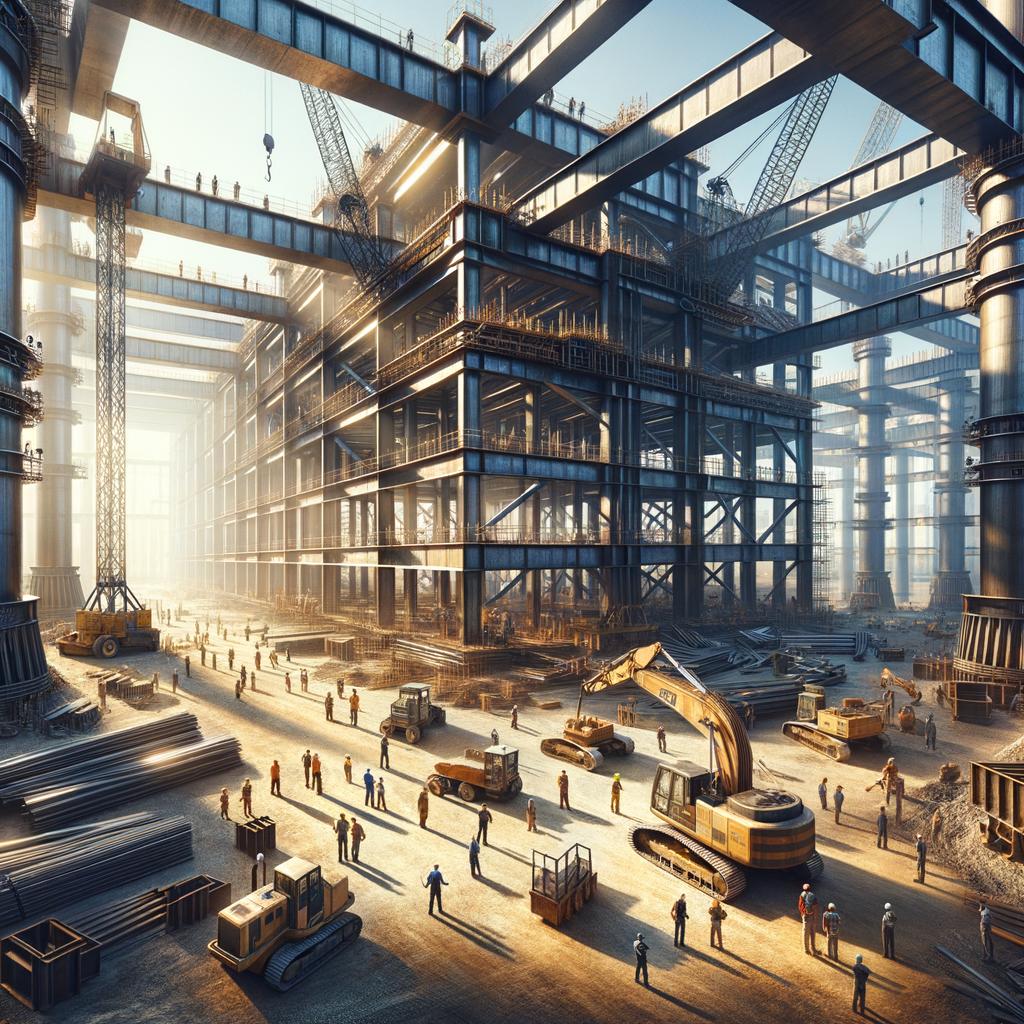
Durable steel construction is utilized across a wide range of sectors due to its remarkable properties and adaptability. In residential applications, for example, steel framing is increasingly popular in modern homes where open spaces and expansive designs are desired.
The strength of durable steel construction allows architects to create large windows and high ceilings without compromising structural integrity, ultimately enhancing the aesthetic appeal and functionality of living spaces. Additionally, advancements in thermal insulation technology have enabled builders to optimize energy efficiency while benefitting from the inherent durability of the materials employed.
In commercial settings, durable steel construction plays a pivotal role in office buildings, shopping centers, and industrial warehouses. The resilience provided by steel not only ensures safety during storms or seismic activities but also facilitates quick construction timelines due to prefabricated elements. This efficiency can contribute significantly to project budgets while minimizing disruption in urban environments. For instance, many retail giants now opt for pre-engineered steel storefronts that allow rapid deployment without sacrificing design quality or longevity.
The versatility of durable steel construction extends into industrial applications as well. Factories and manufacturing plants benefit from large-span structures that can accommodate heavy machinery and equipment. Moreover, steel’s resistance to corrosion makes it an optimal choice for facilities located near harsh environmental conditions such as coastal areas or those susceptible to chemicals. By incorporating durable steel into their infrastructure plans, industries can leverage long-term durability with reduced maintenance costs over time.
| Application Sector | Key Benefits |
|---|---|
| Residential | Open space designs; enhanced aesthetics; improved energy efficiency |
| Commercial | Quick construction; budget-friendly; enhanced safety during environmental events |
| Industrial | Large-span structures; resistance to harsh conditions; lower maintenance costs |
Safety Standards and Regulations in Steel Construction
The safety standards and regulations that govern durable steel construction are crucial for ensuring the structural integrity, performance, and longevity of buildings. These safety measures establish guidelines that must be followed to guarantee that steel structures can withstand the various stresses and environmental conditions they may encounter throughout their lifespan.
Regulatory bodies such as the American Institute of Steel Construction (AISC) and organizations like ASTM International provide detailed recommendations on design, fabrication, and installation practices specific to steel construction. Regular updates in these guidelines reflect advancements in technology and materials, adapting to new challenges faced by engineers and architects.
Understanding the importance of compliance with safety regulations cannot be overstated. Compliance not only protects workers during construction but also enhances public safety by ensuring that finished structures are capable of withstanding adverse conditions, such as earthquakes, high winds, or heavy snow loads. For example, stringent requirements mandate rigorous testing for welds and connections critical to the overall stability of a building.
Without adherence to these standards, there is an increased risk of structural failure over time. Consequently, builders who prioritize durable steel construction methods are investing not just in materials but in innovative engineering practices designed to enhance resilience.
Furthermore, effective collaboration between regulatory agencies and industry professionals plays a pivotal role in reinforcing these standards. By incorporating feedback from engineers on field experiences back into regulatory frameworks, adjustments can be made proactively to address emerging challenges facing steel construction today. Training programs organized by various professional associations help ensure that all stakeholders-from builders to architects-remain informed about best practices and compliance requirements surrounding durable steel construction.
| Aspect | Description |
|---|---|
| Regulatory Bodies | AISC (American Institute of Steel Construction), ASTM International |
| Key Safety Concerns | Structural integrity under stress (earthquakes, wind loads) |
| Importance of Compliance | Protects workers’ safety; ensures public safety |
Challenges in Implementing Durable Steel Construction
Durable steel construction, while offering numerous advantages, is not without its challenges. One primary obstacle in the implementation of this robust building method is market fluctuations that can impact the availability and cost of steel. The global steel market is often subject to rapid changes due to factors like trade policies, tariffs, and demand from other sectors such as automotive and manufacturing.
Fluctuating prices can lead to budget overruns on projects that rely heavily on durable steel construction materials. To navigate these challenges, stakeholders must engage in strategic planning and forecasting to mitigate risks associated with price volatility.
Another significant challenge lies in supply chain issues that have been exacerbated by global events such as pandemics or geopolitical tensions. Disruptions in the transportation of steel products can delay projects and complicate logistics for contractors and builders alike. In response, industry professionals are increasingly turning towards local sourcing strategies to reduce reliance on international suppliers.
By fostering relationships with domestic manufacturers, construction firms can enhance their supply chains’ resilience while supporting local economies. This shift not only leads to a more stable material supply but also often results in faster project timelines.
Lastly, addressing skilled labor shortages poses another hurdle in the realm of durable steel construction. As modern building techniques evolve and become more sophisticated, there’s a growing need for workers skilled in advanced fabrication methods as well as installation practices specific to durable steel structures.
This skill gap has compelled many companies to invest in training programs aimed at upskilling current employees or introducing apprenticeship initiatives for newcomers to the field. Additionally, collaboration between educational institutions and industry leaders can create pathways that attract young talent into careers focused on durable steel construction, ensuring that future projects maintain high standards of quality and craftsmanship essential for long-lasting infrastructure development.
The Future of Durable Steel Construction
As the demand for more resilient and sustainable building solutions grows, durable steel construction is poised to play a pivotal role in the evolution of architectural design and infrastructure development. Emerging trends point towards smarter, more efficient use of materials that not only emphasize strength but also promote sustainability.
Advancements in artificial intelligence, robotics, and prefabrication techniques are expected to enhance the process of steel construction significantly. These innovations will enable architects and engineers to create structures that meet rigorous safety standards while addressing the complexities of modern urban environments.
One key area of focus for the future of durable steel construction is the integration of advanced materials and technologies. Innovations such as high-strength steel alloys offer superior performance characteristics, including increased load-bearing capabilities and improved ductility. These advancements can lead to lighter structures that do not compromise safety or durability.
Additionally, smart technologies like embedded sensors can be incorporated into steel frame designs, allowing for real-time monitoring of stress loads and environmental conditions. This data-driven approach enhances maintenance protocols by identifying potential issues before they become significant problems.
Another vital aspect shaping the future landscape of durable steel construction is sustainability efforts aimed at reducing carbon footprints associated with traditional building practices. With an emphasis on energy efficiency in both production and design phases, industries are increasingly harnessing recycled steel – a practice that significantly lowers energy consumption compared to virgin material extraction.
Furthermore, green building certifications incentivize developers to adopt durable steel construction methods that align with environmentally friendly practices, ultimately driving innovation across various sectors including residential buildings, commercial spaces, and industrial facilities. As society transitions toward greener practices in architecture and construction technology continues to evolve, durable steel will undoubtedly remain at the forefront in reshaping how we build our communities for generations to come.
Conclusion
In conclusion, durable steel construction stands as a cornerstone in the pursuit of creating resilient and sustainable communities for the future. The transition from traditional building materials to steel reflects not only an evolution in architectural practices but also a necessary response to the increasing demands of modern society.
As we have seen, the remarkable strength, longevity, and adaptability of durable steel construction are pivotal in shaping structures that can withstand both environmental challenges and changing urban landscapes. Its historical significance underscores a growing recognition of how essential robust materials are in achieving safety and reliability, marking a progressive shift towards more thoughtful design and engineering.
Moreover, the integration of sustainable practices within the framework of durable steel construction cannot be overstated. By promoting recycling initiatives and energy-efficient methods associated with steel production, this approach contributes significantly towards mitigating environmental impacts.
With an emphasis on responsible sourcing and innovative technologies, this sector not only meets current infrastructural demands but also anticipates the needs of future generations. As architects and engineers embrace robust design principles, they pave the way for more efficient constructions that align with eco-friendly practices-a vision that transcends mere aesthetics to focus on functionality and environmental stewardship.
Looking ahead, embracing durable steel construction is essential for developing resilient communities capable of withstanding future challenges. While there may be obstacles related to market fluctuations or supply chain issues, strategies focusing on innovation will help mitigate these issues.
As advancements continue to emerge within this field-ranging from improved material properties to enhanced safety standards-the potential to redefine our built environment is immense. Ultimately, by committing to durable steel construction today, we build stronger futures that encompass safety, sustainability, and economic viability-all crucial elements for thriving communities tomorrow.


