
Desert Climate Barndominium: Your Dream Oasis Awaits
November 1, 2025
Energy Efficient Steel Barndominium: Transform Your Space
November 1, 2025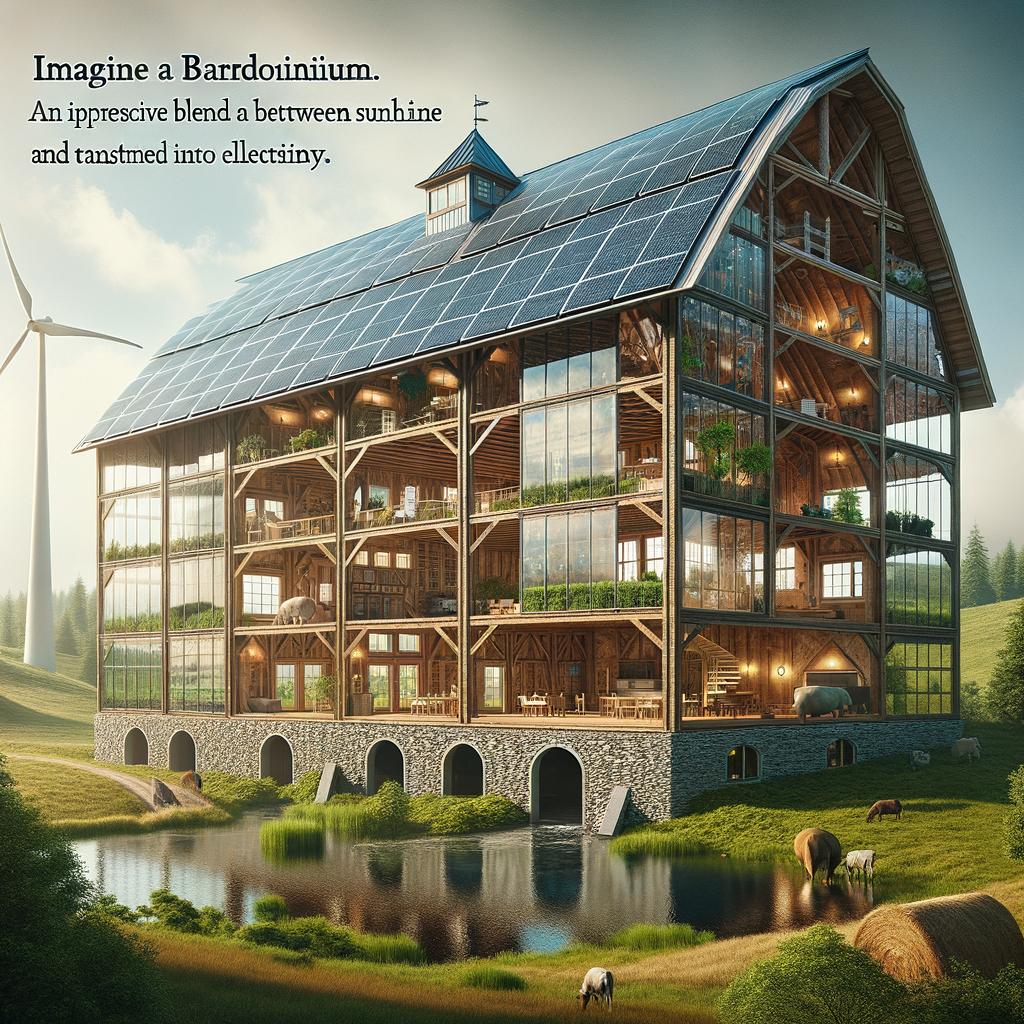
The concept of the energy efficient barndominium is gaining popularity as a stylish and sustainable housing option that marries rustic charm with modern living. A barndominium typically features the structural aesthetics of a barn while providing all the comforts of a traditional home.
This unique blend appeals to those seeking spacious, open layouts coupled with functional design elements, making it an ideal choice for families, hobbyists, and anyone looking to escape city life. As people become increasingly aware of environmental issues, the integration of energy efficiency in residential design has emerged as a crucial aspect in creating not just homes, but sustainable lifestyles.
At its core, sustainability emphasizes minimizing our environmental impact while maximizing comfort and efficiency. Energy-efficient barndominiums embody this approach by utilizing smart construction techniques and eco-friendly materials that reduce energy consumption. In an age where climate change and resource depletion are pressing concerns, choosing to build or renovate a barndominium with energy efficiency in mind offers homeowners both immediate benefits-like lower utility bills-and long-term advantages that contribute to global sustainability efforts.
Modern households consume significant amounts of energy, creating an urgent need for innovative solutions that mitigate ecological footprints. Understanding energy efficiency is vital for today’s construction practices; it involves optimizing building designs to promote better thermal performance and lower overall resource needs.
The growing emphasis on this practice reflects broader societal shifts toward eco-consciousness. By investing in energy-efficient building strategies, barndominium owners not only enhance their living experience but also contribute positively to the environment by reducing reliance on fossil fuels and supporting renewable energy initiatives.
Understanding Energy Efficiency
Energy efficiency is defined as using less energy to provide the same service or achieve the same outcome. In recent decades, it has become increasingly important in modern construction due to rising concerns about environmental sustainability and energy conservation.
The concept embodies various practices and technologies that reduce energy consumption, thereby minimizing adverse effects on the environment. As our dependence on fossil fuels and conventional power sources continues to strain the planet’s ecosystems, transitioning to energy-efficient solutions in housing becomes crucial for mitigating climate change and promoting sustainable living.
The potential benefits of adopting an energy-efficient approach extend beyond just environmental impacts; they also encompass economic advantages. An analysis of residential energy consumption reveals that significant portions of household budgets go towards electricity, heating, and cooling expenses. For instance, U.S. households spend approximately $2,000 on energy annually according to the U.S. Energy Information Administration (EIA).
By implementing energy-efficient measures, homeowners can dramatically lower these costs while contributing positively to their communities and the planet. Energy efficient barndominiums offer a cost-effective solution by integrating these principles into their designs from the very beginning.
Key factors influencing energy efficiency include strategic site planning, building orientation, insulation quality, and utilization of advanced materials tailored for reduced thermal transmission. Factors like proper roof overhangs can enhance passive solar benefits throughout different seasons while avoiding overheating during peak summer months.
The choice of materials also plays a substantial role: opting for high-performance windows that minimize heat loss or using reflective roofing strategies can significantly impact the overall utility bill for homeowners. Data gathered from research studies shows that homes equipped with such technologies see at least a 30% decrease in annual heating costs compared to traditional designs.
| Aspect | Impact |
|---|---|
| Insulation Quality | Reduces thermal exchange by up to 50% |
| Advanced Windows | Minimizes heat loss by 30-50% |
| Building Orientation | Can improve natural heating/cooling efficiency by up to 20% |
Key Features of Energy Efficient Barndominiums
Insulation and Thermal Performance
One of the most vital features that contribute to an energy efficient barndominium is its insulation. Proper insulation plays a critical role in maintaining comfortable indoor temperatures throughout the year while minimizing energy loss. Many barndominiums utilize high-quality spray foam or rigid foam board insulation, which provides superior thermal resistance compared to traditional fiberglass batts.
This not only helps keep heating and cooling costs down but also creates a more consistent climate within the home, reducing the strain on HVAC systems. Architects often design barndominiums with insulated walls, roofs, and even floors to maximize energy efficiency, ensuring that the structure can withstand extreme weather conditions without excessive energy consumption.
Orientation and Natural Light
The design of an energy efficient barndominium goes beyond just insulation; orientation plays a pivotal role in harnessing natural light and optimizing solar gain. Strategically placing windows and openings allows for abundant sunlight to flood common areas during daylight hours, significantly reducing reliance on artificial lighting.
South-facing windows are particularly beneficial as they capture sunlight effectively during winter months when heat retention is essential. Additionally, overhangs or awnings can be incorporated to provide shade during hot summer days, helping to keep indoor spaces cool without heavy reliance on air conditioning.
Modern Materials and Building Techniques
Using advanced building materials is another key aspect that enhances the sustainability of an energy efficient barndominium. Materials such as high-performance glass windows reduce heat transfer while providing panoramic views of surrounding landscapes. Metal roofing is also popular due to its longevity and reflective properties, which help manage heat accumulation within the building.
Innovative construction techniques like Structural Insulated Panels (SIPs) not only improve strength but also boost thermal performance dramatically compared to conventional framing methods. By integrating these modern materials into their design, builders can create a durable structure that stands the test of time while aligning with eco-friendly priorities in construction practices.
Sustainable Building Materials
Eco-Friendly Materials for Construction
When it comes to building an energy efficient barndominium, the choice of materials plays a pivotal role in achieving sustainability goals. Eco-friendly materials not only contribute to excellent insulation and energy performance but also reduce the carbon footprint associated with construction.
Reclaimed wood is one such material that has gained immense popularity; it brings character and history to modern designs while minimizing waste by reusing existing resources. Additionally, sustainable wood products sourced from responsibly managed forests, such as bamboo or certified lumber, can offer a renewable option that supports healthier ecosystems.
Another crucial aspect of green building materials is their ability to enhance the overall performance of your home. This includes insulated concrete forms (ICFs), which provide superior thermal resistance compared to traditional wood framing.
By using ICFs or other energy-efficient block systems, homeowners can not only enjoy lower heating and cooling costs over time but also increase their resilience against severe weather conditions. Moreover, incorporating recycled steel as part of the structural framework adds significant durability while promoting recycling practices in construction.
Insulation That Makes a Difference
A vital component in any energy efficient barndominium is high-performance insulation designed to minimize thermal bridging and maximize energy retention. Closed-cell spray foam insulation has become a top choice for many builders due to its remarkable R-value per inch, ensuring that living spaces remain comfortable year-round without excessive energy consumption. Another sustainable option includes cellulose insulation, made from recycled paper products-an effective way to create a breathable structure that enhances indoor air quality.
Beyond individual choices in each building material lies a holistic approach towards creating an eco-conscious environment within the barndominium community itself. Many builders collaborate on projects that prioritize environmental empathy throughout every stage of the construction process-much like weaving together sustainable fibers into fabric-leading to long-lasting relationships between builders and homeowners committed to low-impact living.
The Lifespan and Availability of Sustainable Materials
Choosing sustainable building materials extends beyond initial construction; it also involves consideration for their longevity and availability in local markets. Energy efficient barndominiums constructed using durable products often result in less frequent renovations or repairs, directly aligning with environmentally responsible principles by reducing waste over time. For example, fiber cement siding offers exceptional lifespan benefits while maintaining resistance against rot and pests unlike traditional wood sidings requiring ongoing maintenance.
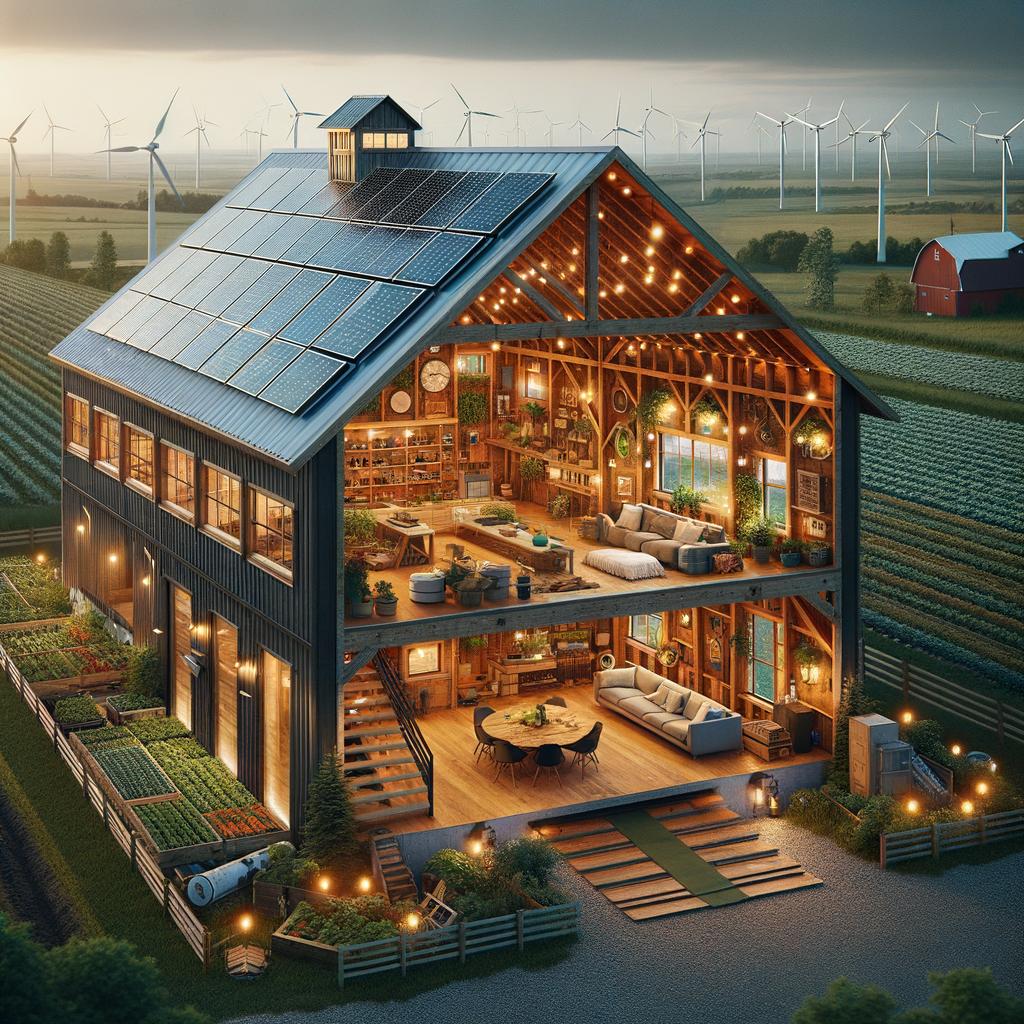
Furthermore, focusing on locally-sourced materials facilitates lower transportation emissions-which is key in enhancing sustainability efforts further along the supply chain. Working with nearby suppliers also fosters community ties and sustains local economies while promoting environmentally mindful choices among future homeowners eager for greener solutions in their builds.
Emphasizing community-oriented practices around sourcing helps pave the way toward transitioning towards more widespread adoption of sustainable building methods overall across various residential platforms-including the growing interest surrounding barndominiums themselves.
Energy-Efficient Technologies and Systems
In the realm of energy efficient barndominiums, adopting cutting-edge technologies and systems plays a crucial role in enhancing sustainability. One of the most impactful innovations available today is solar panel installation. By harnessing the power of sunlight, homeowners can significantly decrease their reliance on grid electricity while reducing carbon emissions.
Solar panels convert sunlight into electricity, which can be utilized for everyday household needs or even stored for later use. This renewable energy source not only lowers energy bills but also contributes to increased home value and long-term sustainability.
Another essential technology contributing to energy efficiency in barndominiums is geothermal heating and cooling systems. These systems utilize the earth’s stable underground temperatures to regulate indoor climates effectively.
By transferring heat from the ground into homes during colder months and vice versa during warmer seasons, geothermal systems reduce the need for conventional HVAC units, leading to substantial energy savings. The reliability and low maintenance of these systems make them an attractive option for building owners aiming for eco-conscious living spaces.
Smart home technology also deserves mention as it enhances the functionality and efficiency of living environments in barndominiums. Features such as smart thermostats and lighting controls allow homeowners to monitor their energy consumption closely, making it easier to optimize usage based on personal habits and preferences.
- Energy Monitoring: Track real-time usage patterns.
- Remote Control: Adjust settings from afar via smartphone apps.
- Efficiency Alerts: Get notifications about unusual energy spikes.
By integrating these technologies into design plans, homeowners can create a truly energy efficient barndominium that reflects their commitment to sustainability while enjoying long-term benefits such as lower utility costs and reduced environmental footprint.
The Financial Benefits of Energy Efficiency
Living in an energy efficient barndominium not only supports sustainable living but also offers significant financial advantages. One of the most immediate benefits is the reduction in monthly utility bills. Energy efficiency means that homes use less energy for heating, cooling, and powering appliances, resulting in lower expenses over time. With careful design choices-like incorporating proper insulation and high-efficiency windows-homeowners can reduce their energy consumption substantially. For instance, an energy efficient barndominium might include features such as:
– High-performance HVAC systems: These systems effectively heat and cool spaces without excessive energy usage.
– Energy-efficient appliances: From refrigerators to dishwashers, these appliances are designed to consume less electricity while maintaining performance.
– Smart home technologies: Automating the management of lighting and temperature can help maximize efficiency.
In addition to savings on monthly bills, investing in an energy efficient barndominium can also result in lower maintenance costs over the life of the home. Materials chosen for their durability and performance often lead to fewer repairs and replacements needed over time.
This aspect is especially critical when considering building materials that resist environmental wear such as recycled steel or sustainably-sourced wood. When you opt for superior-quality construction methods that prioritize longevity, you may find yourself spending less on upkeep compared to traditional homes.
Moreover, numerous financial incentives exist for homeowners who choose to build or renovate with energy efficiency in mind. Many governments offer tax credits, grants, or subsidized loans for projects focused on sustainability like solar panel installations or geothermal systems. Homeowners can take advantage of programs that encourage greener living by lowering upfront costs associated with implementing advanced technologies. To help potential builders navigate these possibilities further, here’s a list of typical offerings:
1. Federal Tax Credits: Various tax incentives available for renewable energy installations.
2. State Rebates: Cash rebates offered by states for qualifying energy-efficient upgrades.
3. Financing Options: Competitive rates from certain lenders focusing on green building initiatives.
Leveraging both immediate savings and ongoing incentives makes choosing to invest in an energy efficient barndominium a sound financial decision that aligns with sustainable living goals while enhancing overall quality of life.
Designing for Sustainability
Designing an energy efficient barndominium requires a thoughtful approach that encompasses both architectural design and environmental considerations. One of the key aspects to consider is the orientation of the structure on the land. Positioning the barndominium to take advantage of natural sunlight can significantly reduce the need for artificial lighting during the day and provide passive solar heating in colder months.
South-facing windows, for example, allow more sunlight to enter and heat the interior naturally, thus decreasing reliance on conventional heating systems. Planning for overhangs or awnings can also block out excessive summer sun while still allowing winter sunlight to warm up living spaces.
Another crucial element in designing for sustainability is maximizing insulation throughout the building. Energy-efficient barndominiums should utilize high-quality insulation materials to minimize heat loss in winter and maintain comfortable temperatures in summer.
Proper insulation not only leads to energy savings but also enhances indoor comfort by minimizing drafts and temperature fluctuations. In addition to traditional insulative materials, homeowners may opt for newer eco-friendly options like spray foam or recycled cotton, which contribute both to energy efficiency and sustainability.
Color choices are also important in enhancing energy efficiency within your barndominium design. Light-colored roofing materials can reflect rather than absorb heat, helping keep cooling costs low during hot months. Similarly, choosing exterior wall colors that stay cooler can mitigate energy usage when air conditioning is necessary, promoting a more comfortable living environment without excessive reliance on mechanical systems. Furthermore, incorporating green roofs or wall gardens adds additional insulation while promoting biodiversity and improving air quality around the home.
| Design Aspect | Description |
|---|---|
| Structure Orientation | Positioning to maximize sunlight exposure; south-facing windows for passive heating. |
| Insulation Quality | High-quality insulation materials to minimize heat loss; options like spray foam or recycled cotton. |
| Color Scheme | Light roofing colors that reflect heat; cooler exterior paint choices for better energy management. |
Conclusion
In conclusion, energy efficient barndominiums represent a harmonious blend of aesthetic appeal and sustainable living practices that cater to the growing demand for environmentally friendly housing solutions. By integrating modern design principles with eco-friendly materials and advanced technologies, these innovative structures not only enhance the beauty of rural landscapes but also significantly reduce energy consumption.
This makes them an ideal choice for individuals and families looking to embrace a more sustainable lifestyle while enjoying the rustic charm that traditional barn aesthetics provide.
The key elements that define an energy efficient barndominium-such as superior insulation, strategically placed windows, and cutting-edge renewable energy systems-serve as critical tools in combating climate change. By prioritizing energy efficiency in their designs, homeowners not only contribute to environmental preservation but also enjoy the long-term financial benefits associated with lower utility costs. With various government incentives available for energy-efficient construction, adopting this approach becomes even more accessible and financially appealing.
As we move toward a future where sustainability is increasingly important, embracing the concept of an energy efficient barndominium can lead to transformative changes in how we live. It challenges conventional ideas about homebuilding by promoting thoughtful design and conservation practices that benefit both occupants and the planet.
We encourage readers to explore the opportunities presented by these contemporary homes and consider creating their own energy-efficient barndominium-a step toward a greener and more sustainable future for generations to come.


