

Mountain Barndominium Flagstaff: Stunning Living Awaits
November 7, 2025
Barndominium Per Square Foot Cost: Affordable and Stunning
November 8, 2025
Barndominiums, a unique blend of barn and condominium, have surged in popularity as an eye-catching alternative to traditional homes. These distinctive structures offer a harmonious mix of functionality and aesthetic appeal, attracting buyers looking for something different yet charmingly rustic.
Whether nestled in the countryside or set within suburban landscapes, barndominiums provide an opportunity for open concepts and spacious living that resonates with many homeowners today. As a result, understanding the barndominium cost per square foot becomes crucial for those dreaming of this emerging trend in residential design.
The appeal of barndominiums is not merely superficial; their rising popularity signifies a shift towards more flexible living spaces that can easily adapt to various lifestyles. These homes combine elements of modern design with the comforting characteristics of rural architecture.
The open floor plans typically featured in barndominiums create versatile areas ideal for both relaxation and entertaining. As potential homeowners explore this option, they often wonder about the financial implications, particularly how much it might cost per square foot to build such a dream home.
Understanding the cost dynamics associated with barndominiums empowers potential buyers to make informed decisions regarding their investment. Costs can vary significantly based on numerous factors including location, size, and specific features chosen during construction. By delving into these considerations early on, prospective homeowners can better grasp what they might expect to spend while enjoying the myriad benefits these affordable dream homes offer compared to conventional housing options found in today’s real estate market.
Understanding Barndominium Cost Per Square Foot
Understanding the barndominium cost per square foot is essential for prospective homeowners considering this innovative housing option. A barndominium combines the classic barn aesthetic with residential living, resulting in a unique home design that is both functional and appealing.
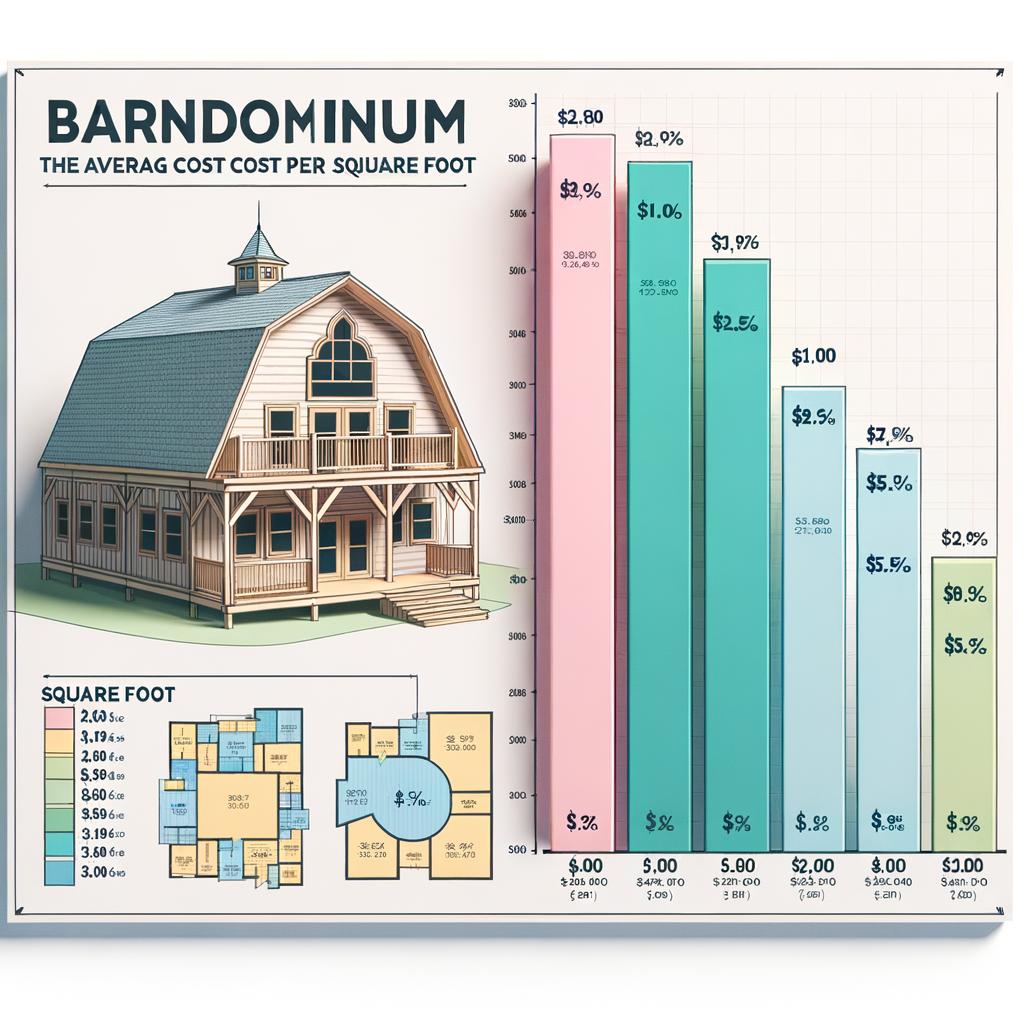
The cost per square foot generally can range anywhere from $100 to $200, but this figure can vary based on several factors including construction materials, labor costs, and customization options chosen by the homeowner. This adaptability in pricing allows many individuals to find an entry point that fits their budget while still creating a space that reflects their personal style.
Several key elements impact the overall cost associated with building a barndominium. First and foremost are the materials used in construction; opting for high-end finishes or sustainable materials will elevate your costs significantly compared to standard options. Additionally, design complexity plays a crucial role; elaborate floor plans or specialty features like vaulted ceilings and expansive windows require more skilled labor and resources which subsequently increases the overall price.
Location also cannot be overlooked as land prices fluctuate widely depending on the regional market dynamics. All these factors come into play when calculating the barndominium cost per square foot.
| Component | Average Cost Per Square Foot |
|---|---|
| Basic Structure | $60 – $120 |
| Interior Finishes | $20 – $50 |
| Labor | $30 – $60 |
| Land and Site Preparation | $10 – $30 |
By evaluating each of these components individually, potential buyers can plan effectively for their desired barndominium project while being mindful of how different choices influence their total investment. Understanding the barndominium cost per square foot empowers future homeowners to make informed decisions about what best suits their lifestyle needs without compromising on quality or aesthetic appeal.
Factors Influencing Barndominium Costs
When considering the costs associated with building a barndominium, several factors come into play that can significantly influence the overall price. Understanding these elements is essential for prospective homeowners who want to create their dream space without breaking the bank. The interplay of material choices, design specifications, land expenses, labor rates, and local regulations can lead to variability in final costs, making it important to evaluate each aspect carefully.
Key Factors That Affect Barndominium Costs:
- Materials: The type of materials selected for construction plays a crucial role in determining total costs. High-quality steel or wood framing may yield durability but will also increase upfront investment. Additionally, interior finishes such as flooring and cabinetry can greatly affect the cost per square foot.
- Design Specifications: Custom designs cater to individual needs and preferences but can add substantial costs compared to standardized blueprints. Architects and specialized builders will charge additional fees for bespoke features like unique floor plans or advanced energy-efficient designs.
- Land Costs: The location of the property directly impacts overall expenses. Prices for land vary widely based on geography; therefore, it’s vital to account for this factor in your budget. In some cases, purchasing a larger parcel could offer financial advantages if future expansion is anticipated.
- Labor Rates: Depending on your region, labor costs can fluctuate significantly. Employing local contractors may be more economical, but experienced builders familiar with barndominiums can bring expertise that justifies higher fees by minimizing mistakes and ensuring quality work.
Moreover, local regulations such as zoning laws or permitting requirements can impose additional costs that should be accounted for during the planning stages. Understanding these elements helps in painting a clearer picture of what you might expect in terms of barndominium cost per square foot.
Evaluating all these factors aids potential homeowners in customizing their project while managing their budgets effectively. As they explore design options and materials within their desired price range, it’s essential to balance aesthetics with affordability. With careful planning and budgeting strategies tailored to individual circumstances, creating an impressive barndominium that fits both dreams and finances becomes a tangible possibility.
Comparative Analysis
When considering the construction of a new home, many prospective homeowners find themselves at a crossroads between choosing a traditional house and opting for a barndominium. To illustrate this decision-making process clearly, it is essential to take an in-depth look at the comparative costs associated with each option, focusing on factors such as initial investment, ongoing maintenance, and overall value.
In terms of initial construction costs, barndominiums generally come out ahead when compared to traditional homes. The average barndominium cost per square foot tends to be lower than that of conventional housing due to several reasons:
- Material Efficiency: Barndominiums often use steel frames and metal siding, which are not only durable but can also be sourced more economically than traditional wood framing.
- Labor Costs: Construction of barndominiums can sometimes require less labor-intensive processes due to their design and material choices. This can lead to savings on labor costs depending on local wage rates.
- Design Simplicity: The open floor plans synonymous with barndominiums demand fewer walls and internal structures than many traditional homes, reducing both materials used and overall project timelines.
While the initial outlay might be lower with a barndominium, it’s also vital to look at ongoing costs associated with both types of homes. Traditional houses often carry higher utility bills because they may not incorporate energy-efficient features as seamlessly as barndominiums do. Homeowners can enjoy the benefits of natural insulation properties found in sturdy metal buildings while also allowing for innovative designs that maximize energy efficiency. These long-term savings become increasingly valuable over time.
Moreover, when assessing resale values or potential appreciation of property investments, it’s useful to know that barndominiums are becoming widely recognized and sought after within certain markets. This trendy appeal can make them competitive against conventional homes if situated in desirable locations. The unique aesthetic charm combined with modern functionalities enhances their marketability. In some regions where land is cheaper but demand for distinct living spaces is rising, investing in a barndominium could prove especially fruitful financially.
In summary, understanding the comparative cost framework between barndominiums and traditional homes reveals substantial advantages in favor of the former from both short-term budgeting perspectives and long-term valuation scenarios.
The Benefits of Building a Barndominium
Building a barndominium offers numerous benefits that extend beyond traditional homes, making it an attractive option for many prospective homeowners. One of the most significant advantages is the opportunity for a customized living space that can cater to individual tastes and lifestyles.
While some may opt for an open floor plan with a rustic charm, others may wish to incorporate modern designs or eco-friendly features. This flexibility not only allows homeowners to express their personality but also means they can create functional areas that suit their specific needs-whether it’s a cozy family gathering space or an expansive workshop.
Another noteworthy benefit is the energy efficiency typically associated with barndominiums. Constructed primarily from steel and wood, these structures often feature superior insulation properties compared to traditional wooden homes. The ability to maintain comfortable indoor temperatures with less energy consumption can translate into significant long-term savings on utility bills. Additionally, many barndominium owners invest in sustainable technologies such as solar panels or rainwater collection systems, further enhancing their home’s energy efficiency and reducing environmental impact.
The cost savings potential when building a barndominium versus a traditional home cannot be overlooked either. Generally, the barndominium cost per square foot tends to be lower than that of standard houses due to less expensive materials and labor requirements, as well as faster construction timelines.
Builders typically cut costs by utilizing the multifunctional design of these structures-often combining living spaces with workshops or barns in one expansive layout. Combined with lower maintenance expenses and effective insulation solutions, this makes barndominiums not only an aesthetically pleasing option but also one that helps homeowners manage their budgets effectively over time.
| Benefit | Description |
|---|---|
| Customization | Flexibility in design allows homeowners to create spaces suited for personal needs. |
| Energy Efficiency | Superior insulation leads to lower utility bills and possible integration of sustainable technology. |
| Cost Savings | Generally lower construction costs compared to traditional homes; reduced maintenance expenses. |
Design and Customization Options
Barndominiums provide an exceptional opportunity for homeowners to incorporate their personality and lifestyle preferences into the design of their living spaces. The flexibility inherent in barndominium construction allows for a wide range of customization options, which can make the space not just functional but also uniquely reflective of the homeowner’s tastes.
From choosing exterior finishes like metal siding or wood accents to designing interior layouts that feature open-concept spaces, homeowners can tailor their barndominium to fit both aesthetic desires and practical needs.
One significant aspect of designing a barndominium is the utilization of space. Homeowners can prioritize elements such as high ceilings, expansive windows, and multi-functional areas that embody modern living trends.
This openness often reduces the feeling of confinement found in traditional homes while simultaneously providing excellent opportunities for personalized touches-think rustic chandeliers paired with contemporary finishes. However, it’s essential to understand how these design choices influence costs as budgeting for custom features may affect the overall barndominium cost per square foot.
When considering design and customization options, it’s crucial for prospective homeowners to work closely with architects or builders who specialize in barndominiums. Experienced professionals can assist in balancing individual preferences with budget constraints effectively. Whether deciding on luxury finishes or opting for more economical materials without sacrificing quality, having a comprehensive plan will help in estimating total costs accurately.
As features are tailored around personal needs-like energy-efficient layouts or additional storage spaces-the initial investment can lead to long-term savings by reducing operational expenses and upkeep over time. Ultimately, thoughtful design decisions can turn a simple structure into a truly personalized oasis that meets all dimensions of modern living while remaining mindful of financial considerations.
Estimating Total Barndominium Costs
Understanding Total Cost Components
To effectively estimate total barndominium costs, it’s important to consider various components that go beyond the basic construction. While the barndominium cost per square foot provides a starting point, this figure only reflects the expenses associated with building the structure itself.
Homeowners also need to factor in additional expenditures such as land acquisition, site preparation, utilities, and landscaping. Each component plays a significant role in determining the final budget, making it critical for prospective owners to conduct thorough research and planning.
Land costs can vary significantly depending on location, size, and zoning regulations. Rural areas may offer more affordable land options compared to urban settings, where prices tend to be steeper. Additionally, preparing the land-clearing trees, grading the site, or installing roads-can add unexpected expenses. By evaluating these elements early in the planning process, individuals can avoid surprises and make informed decisions about their total investment.
Budgeting for Utilities and Permits
Another aspect of estimating total barndominium costs is accounting for utility installation and local permits. Connecting water and electricity can incur substantial costs if infrastructure is not already accessible on-site. Furthermore, every locality has different requirements regarding building permits and inspections that must be adhered to during construction. These fees can accumulate quickly; therefore, potential homeowners should consult with local authorities or experienced contractors for accurate assessments early on.
As homeowners delve deeper into budgeting for their barndominium project, it’s beneficial to create a detailed list of all expected expenses. This encompasses everything from material choices for roofing and siding to flooring types that affect comfort levels within living spaces while influencing overall cost projections.
The Importance of Contingency Funds
When embarking on any construction project-including barndominiums-it’s vital to incorporate contingency funds into your financial plan. Construction often comes with unforeseen challenges or changes in pricing due to market fluctuations in materials or labor shortages. A good rule of thumb is setting aside 10-20% of your total budget as a buffer against unexpected turns throughout the building journey.
In summary, accurately estimating total barndominium costs requires careful consideration of multiple factors beyond just the initial cost per square foot calculation. By understanding land expenses, utility connections, permit fees, and preparing for contingencies upfront presents a clearer picture of how much one might truly invest into creating their ideal living space.
Conclusion
As we have explored throughout this article, barndominiums present an intriguing opportunity for those seeking affordable yet stylish living spaces. Combining the practicality of a barn with the charm of a home, they have captured the hearts of many looking for unique housing options. From understanding the barndominium cost per square foot to recognizing various factors that influence overall pricing, it is clear that these structures offer more than mere aesthetics; they provide a financially viable alternative to traditional housing.
The flexibility in design and customization also sets barndominiums apart from standard homes. Homeowners can tailor their living spaces to fit personal preferences and needs, all while keeping an eye on expenses.
By comparing costs-in terms of both construction and long-term maintenance-against traditional properties, barndominiums emerge as appealing choices for budget-conscious buyers without sacrificing quality or style. This affordability, coupled with energy efficiency and potential savings on utilities, reinforces why more people are opting for these unique builds.
Ultimately, taking the step towards building your dream barndominium involves careful planning and consideration of total costs-from land purchase to utilities and construction expenses. We encourage you to weigh the numerous benefits against your budget and desires. Seek quotes from reputable builders who specialize in barndominiums to ensure you accurately understand what your investment will entail. By doing so, you can turn your vision into reality, embarking on a journey toward enjoying a distinctive home tailored just for you.


