
Barndominium Cost Per Square Foot: Affordable Dream Homes
November 7, 2025
Cheap Barndominium Arizona: Smart Living at Its Finest
November 8, 2025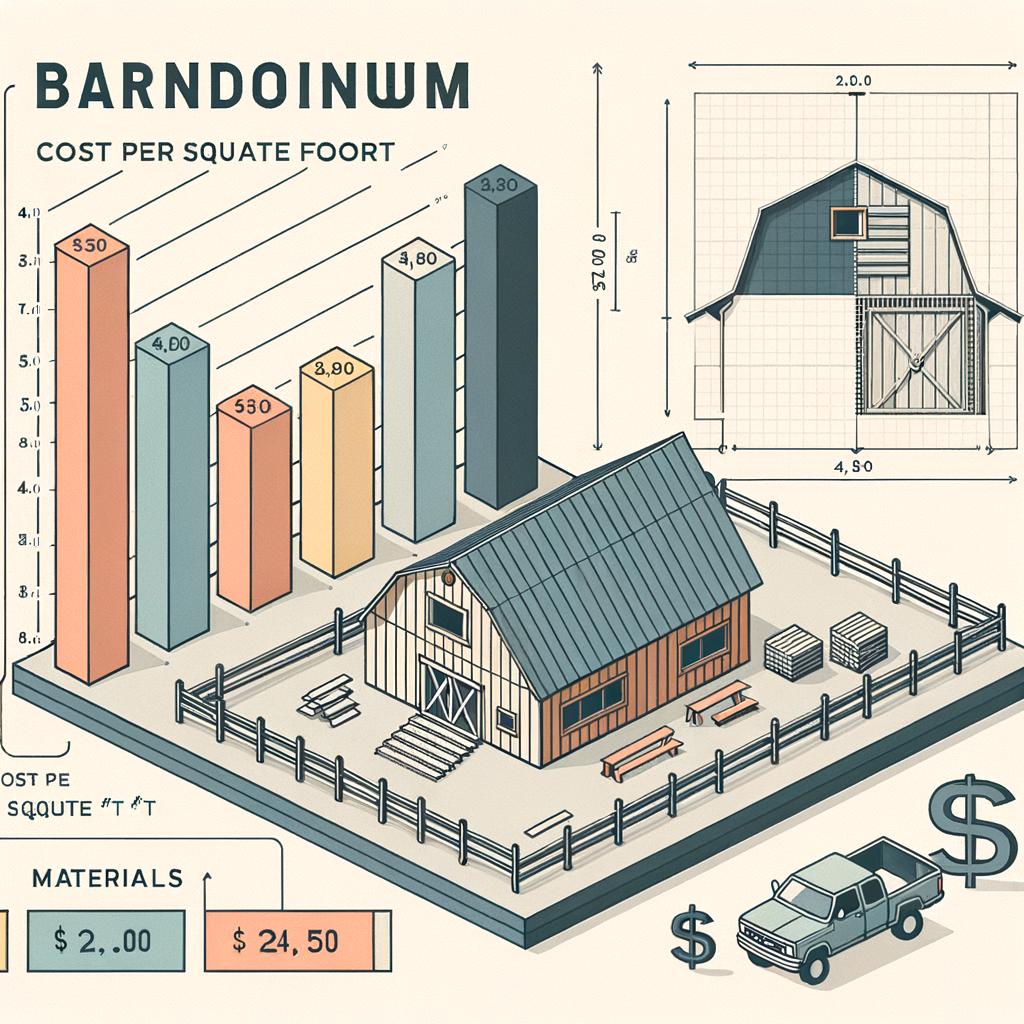
Barndominiums have emerged as a popular housing option, captivating the interest of homeowners across the country. Defined as residential structures that combine the functionality of a barn with the comfort and style of a home, these unique buildings appeal to those seeking modern living solutions at an affordable barndominium per square foot cost. The concept behind barndominiums is not just about aesthetics; it embodies a lifestyle that prioritizes both practicality and design, making it an appealing choice for many.
The rising popularity of barndominiums can be attributed to various factors, including their versatility, durability, and cost-effectiveness. As more individuals venture into rural areas or seek unconventional building options in suburban settings, these structures provide an innovative alternative to traditional single-family homes.
Whether used as full-time residences or vacation getaways, barndominiums offer ample space and often feature open floor plans that cater to modern living preferences. This architectural trend resonates particularly well with those who value community, sustainability, and a connection to nature.
In addition to their aesthetic allure, understanding the financial aspects surrounding barndominiums is essential for prospective buyers. Specifically, exploring the per square foot cost reveals important insights into budget planning and project execution. Factors such as materials used, labor costs, location variability, and design intricacies play pivotal roles in determining overall expenses. By examining these elements closely, potential homeowners can make informed decisions while embracing this distinctive housing option that combines affordability with stunning visuals.
Understanding the Per Square Foot Cost
Several factors contribute significantly to determining the overall barndominium per square foot cost. First and foremost are the materials selected for construction-choices range from traditional timber and metal framing to more luxurious elements like stone or high-grade insulation. Each material comes with its own price point that can substantially influence overall affordability.
Labor costs also play an essential role; depending on geographic location and prevailing wages, hiring skilled laborers to execute specific tasks can vary greatly. Additionally, exterior and interior finishes chosen will directly impact aesthetics and expense; opting for custom fixtures versus standard offerings can lead to noticeable differences in final costs.
Regional pricing variations are another important aspect when evaluating per square foot costs for barndominiums. Economic conditions in different areas can dictate material prices, labor availability, and even zoning regulations which may add unexpected fees or requirements during the building process. For instance, rural locations might offer lower labor rates but face higher transportation costs for materials delivered from urban suppliers.
Moreover, the demand for barndominiums in specific markets could provoke fluctuations in prices-a trend seen as their popularity continues to rise among many seeking affordable housing alternatives without sacrificing style. Understanding these regional nuances not only helps potential buyers budget effectively but also allows them to strategize on choosing ideal locations that align with both their financial plan and lifestyle preferences.
Breakdown of Barndominium Per Square Foot Cost
To understand the barndominium per square foot cost effectively, it’s essential to analyze the various components that contribute to the overall pricing of this unique housing option. Typically, the cost per square foot includes not just construction but also aspects like design, finishes, and additional installations. To break it down further:
– Materials: The type of materials used can greatly affect overall costs. Barndominiums often utilize metal and wood framing, which may offer durability but vary in price depending on local availability and market trends. For example:
– Labor Costs: Labor is another significant factor influencing the per square foot cost. Hiring local contractors can lead to varying rates based on their experience and regional labor markets. Factors that impact labor costs include:
– Design Elements: Design choices can also either increase or save costs in a barndominium project. For instance, opting for open floor plans versus compartmentalized rooms may yield savings on walls and materials but could affect heating and cooling efficiency.
Regional pricing also plays a major role in determining costs across different locations. For instance, constructing a barndominium in areas with lower demand may offer more affordable material and labor rates compared to regions experiencing a housing boom where demand drives prices up sharply.
Several other elements come into play as well when discussing total expenses:
1. Size: The overall size of the structure significantly affects costs since larger barndominiums naturally require more materials and potentially more complex labor.
2. Customization: Customized features like interior finishes or specialized layouts further influence expenses.
3. Location: Accessibility for construction crews and delivery of materials varies by region, affecting logistics-related costs.
Understanding these components helps prospective homeowners comprehend how barndominium per square foot cost calculations are made while allowing for better financial planning when venturing into this innovative living style.
Comparing Barndominiums to Traditional Housing Costs
When evaluating the costs associated with living in a barndominium versus traditional housing, it becomes clear that barndominiums often offer significant savings without compromising on quality or aesthetics. On average, the barndominium per square foot cost can be considerably lower than that of conventional homes, making them an attractive option for individuals seeking to build their dream residence while being mindful of their budget.
For instance, typical barndominium construction may range from $100 to $150 per square foot, depending on various factors such as location and materials used. In contrast, traditional home prices are often higher due to standard building practices and additional regulatory requirements.
Several reasons contribute to the reduced costs associated with building a barndominium compared to conventional houses. First, the use of metal framing and siding leads to lower material expenses and enhanced durability.
Additionally, many barndominiums utilize open floor plans which not only enhance flexibility in design but also reduce labor costs during construction since fewer walls need to be built. Furthermore, the rising trend in DIY construction for barndominiums allows owners to take on some aspects of the build themselves – resulting in further savings and personal involvement in their new home.
Price differences are not just limited to initial construction; they extend into ongoing maintenance and energy expenditures as well. Barndominiums frequently incorporate energy-efficient features right from the start due to advancements in insulation technology and renewable energy considerations that homeowners prioritize today. The integration of these elements typically results in lower monthly utility bills compared to traditional homes built under earlier standards without such modern efficiencies included at the outset.
| Housing Type | Average Cost Per Square Foot |
|---|---|
| Barndominium | $100 – $150 |
| Traditional Home | $150 – $250+ |
Factors Influencing the Price of Barndominiums
Several factors influence the price of barndominiums, creating a diverse range of costs depending on individual circumstances. First and foremost is the size of the structure. As with any construction project, the overall square footage directly impacts material and labor costs.
Generally speaking, larger barndominiums will have a lower barndominium per square foot cost than smaller ones due to economies of scale in purchasing materials and employing labor. A substantial layout might benefit from lowered prices per square foot; conversely, a more compact build can turn into a higher price point when examining total costs over limited space.
Next, customization plays a crucial role in determining pricing for barndominiums. Owners looking to incorporate unique design features or high-end finishes can expect increased expenses that could elevate their per square foot cost significantly.
For example, selecting premium flooring options or custom cabinetry will naturally raise the total budget compared to more standard selections. Moreover, amenities such as energy-efficient appliances and modern HVAC systems contribute further to the overall investment but may provide long-term savings which offset initial expenditures.
Location also has significant effects on pricing; building in urban areas typically incurs higher local permits or zoning regulations compared to rural settings. Construction costs vary widely across different regions, influenced by availability of materials and local labor rates. Understanding these regional variances is essential for homeowners who want realistic estimates for their barndominium budget before commencing with their dream home plans.
| Factor | Impact on Cost |
|---|---|
| Size of Structure | Larger size tends to reduce per square foot cost. |
| Customization | Unique features and high-end finishes increase total costs. |
| Location | Urban versus rural setting affects material and labor expenses. |
Advantages of Building a Barndominium
Affordability and Value
One of the most significant advantages of building a barndominium is its affordability, particularly when compared to traditional homes. The barndominium per square foot cost often comes out significantly lower than that of conventional residential structures.
This is primarily due to their simplified design and the choice of materials typically used in construction, which can be less expensive than those required for typical housing. Many homeowners are finding that they can achieve a spacious, modern living environment at a fraction of the cost of traditional bricks-and-mortar homes, making it an attractive option for budget-conscious buyers.
Additionally, barndominiums provide exceptional value not just in terms of initial construction costs but also in long-term maintenance and operational expenses. Because they often feature larger open spaces and fewer interior walls, heating and cooling can be more efficient, resulting in reduced energy bills.
Sustainable building practices common in barndominium designs-such as using metal exteriors or insulated panels-further augment their value by lowering utility costs over time. Homeowners investing in a barndominium are likely to enjoy a greater return on investment when these factors are considered.
Versatility and Customization
Another compelling advantage is the versatility offered by barndominiums. These structures provide ample opportunities for customization based on personal preferences and needs. Unlike traditional houses that often come with fixed layouts, a barndominium’s design allows for more flexibility in how space is utilized.
Homeowners can choose how many bedrooms to include or how to distribute common areas like kitchens and living rooms based on lifestyle preferences. This flexibility means that buyers can craft their dream home without being confined by standard designs, ultimately leading to higher satisfaction.
Furthermore, the architectural concept behind barndominiums embraces both functionality and aesthetics seamlessly. With expansive interiors designed to accommodate various living styles-from cozy family gatherings to entertaining friends-these structures serve multiple purposes with ease. As such, many prospective homeowners see them as optimal solutions not only for residential living but also as potential commercial spaces such as workshops or art studios integrated into their home design.
Sustainability Considerations
Sustainable building practices represent another advantage when considering constructing a barndominium. Many builders opt for eco-friendly materials that minimize environmental impact while still maintaining durability and aesthetic appeal. The options may include recycled steel siding or reclaimed wood beams which contribute positively both environmentally and architecturally. Additionally, it’s common for barndominiums to incorporate energy-efficient systems like solar panels or high-efficiency heating units; this reduces overall energy consumption while promoting environmental stewardship.
These sustainability considerations don’t just contribute positively to the ecological footprint but also translate into significant financial savings over time through reduced energy bills and maintenance costs associated with sustainable materials. In today’s housing market where buyers increasingly prioritize green living options, building an eco-friendly barndominium can enhance property value even further-a trend worth noting for future homeowners looking at longevity beyond initial construction expenditure.
Cost-Effective Tips for Building a Barndominium
Building a barndominium can be an exciting and rewarding project, but it also requires careful planning to ensure that costs are kept under control. Here are some practical tips to help minimize expenses while maintaining the quality and aesthetics of your barndominium.
- Plan Your Layout Wisely: Start with a well-thought-out floor plan that maximizes space efficiency. Consider open-concept designs which reduce the need for additional materials, such as walls and doors. Keeping plumbing and electrical installations centralized can save you significant costs down the line.
- Choose Cost-Effective Materials: Not all materials carry the same price tag, so research your options thoroughly before making decisions. Favor durable yet affordable materials like metal siding or concrete flooring that offer both aesthetic appeal and longevity without compromising on style. Additionally, consider repurposing reclaimed materials which can add character to your space at a lower cost.
- DIY Where Possible: If you have experience in construction or are willing to learn, take on some DIY tasks to save on labor costs. Simple projects like painting, landscaping, or even completing parts of the interior finishes can significantly reduce your overall budget while giving you greater personal involvement in your new home.
In addition to these strategies, it’s essential to regularly review your budget against the estimated barndominium per square foot cost throughout the project’s progress. This will help ensure you remain within financial limits while still achieving your desired outcome. It may also be beneficial to maintain flexibility regarding design choices; sometimes opting for slightly less expensive finishes can free up funds for other areas of your build that matter more to you.
By being strategic about planning, material selection, and labor management, creating your dream barndominium becomes much more feasible financially without sacrificing its stunning potential.
Conclusion
As the demand for innovative and affordable housing solutions continues to grow, barndominiums stand out as a viable option for many prospective homeowners. These unique structures provide a harmonious blend of rustic charm and modern design, making them an attractive choice amid rising real estate prices.
With their flexibility in layout and potential for personal customization, barndominiums offer both functional living space and a stunning aesthetic that appeals to diverse tastes. The overall affordability of the barndominium per square foot cost further enhances their attractiveness compared to traditional housing options.
When considering the long-term benefits of building a barndominium, it becomes evident that this architectural trend is not just a passing fad. Barndominiums can be tailored to individual needs while still respecting budget constraints, allowing owners to prioritize what truly matters in their living space.
Furthermore, as sustainability becomes increasingly important in construction practices, many individuals are drawn to the possibility of incorporating energy-efficient elements into their designs. This commitment not only lowers utility costs but also contributes to a more eco-friendly lifestyle.
Ultimately, choosing a barndominium represents not only a financial investment but also an emotional one-the creation of a personalized sanctuary that reflects individuality and style. As more people recognize the benefits inherent in this alternative housing solution, we can expect to see an even greater rise in popularity for barndominiums across various regions.
By carefully considering costs associated with construction and design while emphasizing sustainability and aesthetic appeal, future homeowners can find fulfillment in building their dream space-a stunning reality that perfectly complements modern living needs.


